Eastern Power Grid Could Exhaust Emergency Reserves by 2027 as Data Center Demand Surges
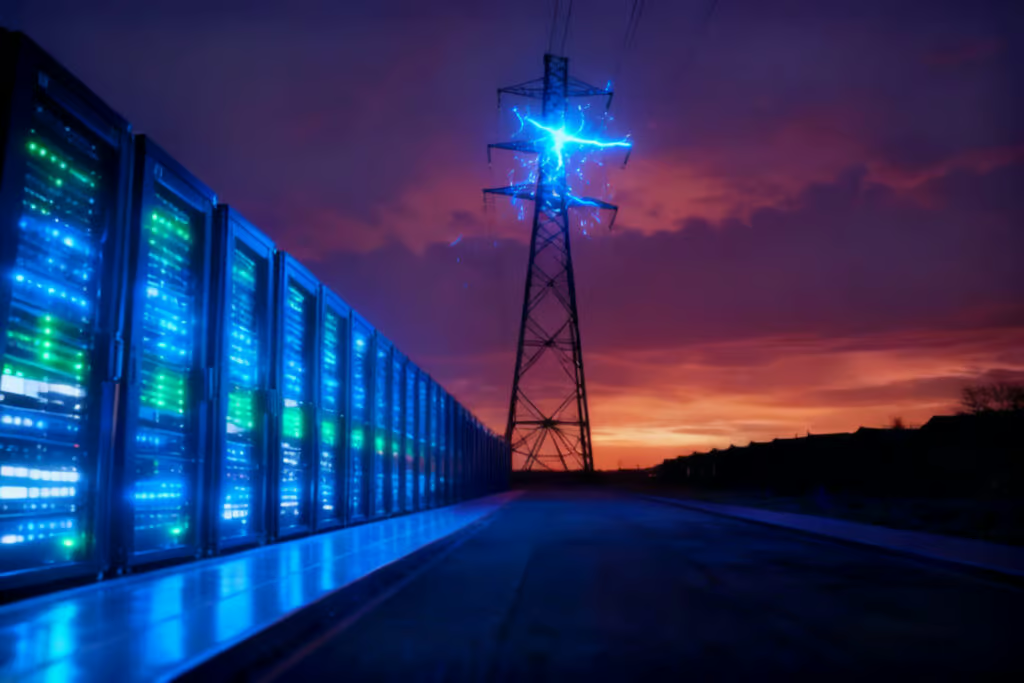
The Eastern Interconnection, the power grid that serves roughly half of the United States and Canada, could run short of emergency peak power as soon as June 2027. Reliability planners point to a single dominant cause: electricity demand, led by a building boom of data centers, is climbing faster than new dispatchable generation can come online.
Demand is increasing faster than the grid can add the firm power to meet it.
Why It Matters
The Eastern Interconnection feeds electricity to a vast slice of North America, including Northern Virginia, the densest cluster of data centers on earth. When reserve margins, the cushion of spare generation operators hold for demand spikes, shrink too far, the system has less room to absorb a heat wave, a plant outage, or a sudden surge in load. In the worst case, operators are forced to shed load through controlled, rolling blackouts to keep the wider grid from collapsing.
Recent grid reliability assessments warn that the Eastern Interconnection’s reserve margins are tightening. A combination of rising data center demand, the retirement of older baseload plants, and extreme summer heat is pushing the system closer to the edge during peak hours.
What’s New / How It Works
Grid operators maintain a cushion of reserve power for moments when demand spikes beyond what baseload generation can supply. When that cushion runs thin, they draw on contingency reserves, and if those also run dry, the last resort is controlled blackouts. The warning is that by June 2027, the eastern grid’s peak demand could outstrip its available reserves during a severe heat event, leaving little or no buffer.
This is not a distant theory. Data center growth is already straining local infrastructure, as communities push back against diesel backup generators and noise, and as construction races ahead of the transmission upgrades needed to move power where it is consumed. The same demand that is filling new server halls is the demand now showing up in the grid’s reserve-margin forecasts.
The Numbers
The reserve margin pattern has stayed roughly the same across recent outlooks, even as the specific forecasts change from season to season.
- Peak summer electricity demand in the Eastern Interconnection is growing faster than new dispatchable generation is coming online.
- Retirements of coal and nuclear plants have removed tens of gigawatts of always-on capacity, and replacement resources such as solar and battery storage are not yet fully integrated.
- Data center load alone is projected to roughly double by the early 2030s, concentrating enormous energy demand in a handful of regions.
- If rolling blackouts occur, they would most likely be ordered in the late afternoon and early evening, when air-conditioning load and overall demand peak.
- Transmission build-out, the wires that carry power from where it is generated to where it is used, typically takes years longer to permit and construct than the data centers driving the new demand.
A shrinking reserve margin means the grid has less surplus capacity to draw on when demand peaks.
What Comes Next
Grid planners are accelerating battery storage installations, demand response programs that pay large users to cut consumption during peaks, and transmission upgrades. Expect data center operators to invest in on-site generation and to negotiate interruptible power contracts, which trade a lower rate for the obligation to power down when the grid is stressed.
Regulators at the Federal Energy Regulatory Commission (FERC) and the North American Electric Reliability Corporation (NERC) continue to revise reliability standards, but new rules take years to take effect. The June 2027 window is likely too tight for large infrastructure overhauls, which means the near-term risk will be managed through operational stopgaps rather than resolved outright.
What This Means for You
When reserve margins shrink, households and businesses across the eastern grid face more frequent calls to curb electricity use.
Expect upward pressure on electricity prices, and heavy summer-peak users feel it first.
Plan for occasional reliability events. Controlled blackouts remain a last resort, not a routine, but the thinner the reserve margin, the higher the odds during an extreme heat event. Backup power and a simple outage plan matter most for anyone running critical equipment.
Watch the data center debate locally. Where you live, the arrival of a large data center can reshape both the local tax base and the local grid. Disputes over generator noise and siting are early signs of how communities are weighing the trade-offs.
The Bigger Picture
The eastern grid’s reserve-margin squeeze is the clearest sign yet that the AI and cloud build-out has a physical limit: electricity. The boom that fills new server halls is colliding with an aging fleet of power plants and a transmission system that takes years to expand. Whether the grid clears the June 2027 window without disruption will come down to how fast new firm capacity, storage, and demand-response can be brought online, and how cooperative the weather is in the meantime.
FAQ
What is the Eastern Power Grid?
The Eastern Interconnection is one of the two major alternating current power grids in North America, covering the eastern half of the United States and Canada from the Great Plains to the Atlantic Coast. It powers cities, factories, and the data center hubs that host much of the cloud.
Why is the Eastern Grid projected to run short of emergency power by June 2027?
Multiple reliability assessments have flagged declining reserve margins caused by rising electricity demand, much of it from data centers, alongside retirements of baseload coal and nuclear plants and the steep ramp of summer air-conditioning load. When peak demand exceeds available generation plus reserves, operators may have to initiate controlled blackouts to prevent a wider collapse.
What is being done to prevent blackouts?
Grid planners are adding battery storage, expanding demand-response programs that pay large users to cut consumption during peaks, and accelerating transmission upgrades. Data center operators are also investing in on-site generation and signing interruptible power contracts. Regulators continue to revise reliability standards, though new rules take years to implement.