Is SEO Dead in 2026? What the Data Says
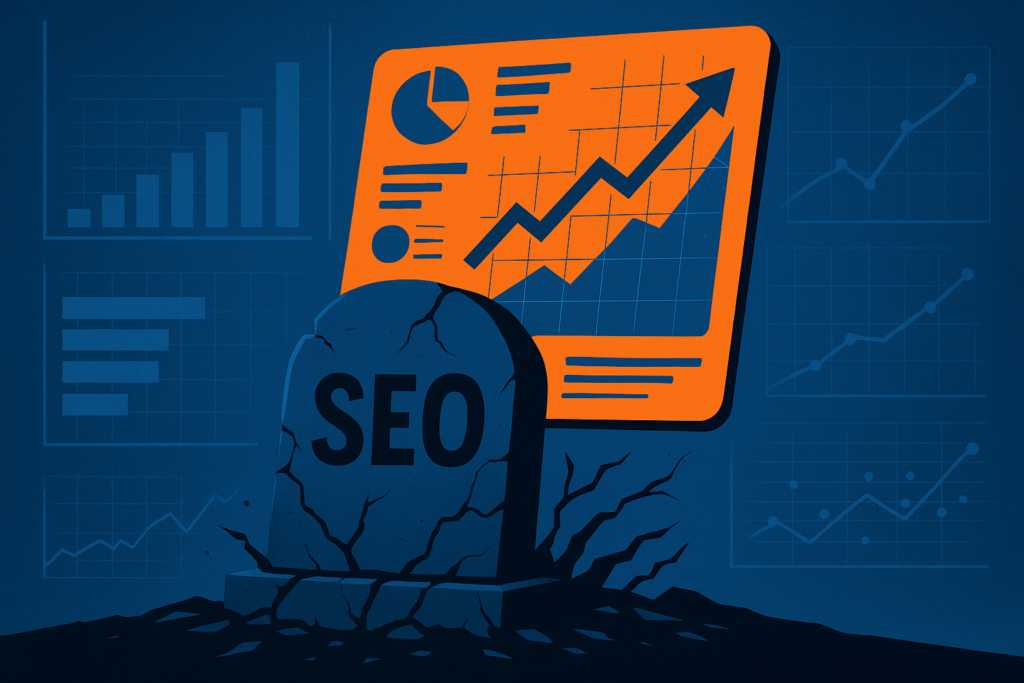
SEO isn’t dead in 2026. Organic search still drives roughly 53% of all website traffic across industries, and Google processes around 8.5 billion searches per day. What has changed is the results page itself: AI Overviews, conversational queries, and trust signals sourced from social media now decide which brands get cited and which get skipped.
Why It Matters
The "SEO is dead" headline cycles back every few years: Google Panda in 2011, social media in 2014, voice search in 2019, ChatGPT in 2023. Each time, organic search adapted instead of collapsing. Today, organic search still drives roughly 53% of all website traffic across industries according to BrightEdge research, more than paid search (~15%) and social (~5%) combined. Google processes an estimated 8.5 billion searches every day, and that number keeps growing.
What’s changed is who wins those searches. Thin pages and keyword-stuffed posts are being pushed down. Authoritative, experience-based content, including the human content you post on social platforms, is being pulled into AI Overviews as primary citations. That makes your posts a direct contributor to organic visibility, whether anyone has updated the job description or not.
What’s New / How It Works
Three structural changes are reshaping search in 2026, and each may affect social media managers.
1. Are AI Overviews killing search traffic?
Research from SparkToro and Datos found that nearly 60% of Google searches in 2023 ended without a click, and AI Overviews push that figure higher for fast factual queries. But sites cited inside AI Overviews have seen traffic increases of 20-30% in some niches. Being one of the sources the AI quotes is the new front page, and the brands earning those citations are the ones with named experts publishing consistent, specific content across multiple platforms.
2. Why has E-E-A-T become the central ranking signal?
Google’s quality guidelines reward Experience, Expertise, Authoritativeness, and Trustworthiness, content with real authors, real credentials, and lived experience over content that simply "looks SEO-friendly." That’s a meaningful shift toward signals social media is uniquely good at producing: face-on-camera creators, behind-the-scenes posts, named experts answering real questions in real time.
3. How hyperlocal has local search become?
The local pack, those three business listings that appear for searches like "coffee shop near me," now weighs proximity, review quality, and behavioral signals more heavily than ever. BrightLocal’s Local Consumer Review Survey shows 98% of consumers read online reviews for local businesses, and 87% use Google as their primary discovery platform. Most of those signals are downstream of how active and trusted your online presence looks across every channel.
Social media isn’t downstream of SEO anymore. It is the main source AI search engines cite when choosing which brand to recommend.
The Numbers
The headline figures shaping search strategy in 2026:
- 53% of all website traffic still comes from organic search (BrightEdge)
- ~60% of Google searches ended without a click in 2023 (SparkToro / Datos)
- Sites cited in AI Overviews have seen traffic gains of 20-30%
- 8.5 billion searches per day on Google, growing year over year
- 98% of consumers read online reviews for local businesses
- 87% of consumers use Google as their primary local-search platform (BrightLocal)
- Some sites that mass-produced AI content lost 50-80% of their traffic following Google’s Helpful Content Update
The strategic takeaway is plain:
"One genuinely helpful page written from real experience outperforms 20 AI-generated pages that say the same generic things everyone else is saying."
That single line reframes nearly every content debate from the last two years. Volume isn’t a moat anymore.
What Comes Next
Expect AI Overviews to expand further across query types and platforms. Bing, Perplexity, and ChatGPT all rely on similar citation logic, and they’re increasingly pulling from social content where named humans say specific, useful things. Google’s structured data documentation is becoming required reading, not optional polish; marked-up content is easier for AI systems to parse and cite.
Helpful Content Update phases will keep punishing thin, mass-produced posts. The next twelve months will reward brands that publish fewer, deeper posts attributed to actual people, and that mirror those posts across LinkedIn, YouTube, TikTok, and the channels their audience already searches inside. The shift from gaming the algorithm to genuinely being the best answer is actually an advantage for authentic brands, the ones with real people, real expertise, and real consistency.
What This Means for You
If you’re managing content for a brand, treat 2026 SEO as work you may already do; you just need to do it intentionally.
- Put named voices on every post. E-E-A-T rewards experience. Put your founder, your specialist, or your operator on camera and on the byline. The full case for this is in the piece on why Google now rewards real people over corporate websites.
- Mirror your strongest content across platforms. AI search engines pull citations from wherever they find the strongest signal. A cross-platform content calendar lets you schedule the same expert quote across LinkedIn, YouTube Shorts, TikTok, and Pinterest, not just your blog.
- Make your brand contactable everywhere. A single link-in-bio and short-link system (short links, branded QR codes, hosted landing pages) lets AI agents and human searchers verify the brand identity across every platform in one hop.
- Build the citation footprint deliberately. If you want to be one of the sources Google AI Overviews quotes, follow the framework in the playbook for getting cited by ChatGPT, Perplexity, and Google AI.
If you want a baseline before you start, a free BizScoreAI visibility scan shows how search and AI tools currently read your brand across listings, reviews, and citations, so you know which signals to strengthen first.
The brand profiles winning in this environment aren’t the ones posting the most. They publish the most consistent evidence of actual expertise across every channel an AI search system can read.
The Bigger Picture
The story of search in 2026 isn’t about SEO dying. It’s about search becoming everywhere: Google, ChatGPT, Perplexity, TikTok search, Instagram search, YouTube. The brands that stay visible across all of it are the ones treating social media not as a marketing channel but as a search channel. If you’re already publishing for humans, you have most of what you need. The work now is making sure the AI systems can find, parse, and cite your best content.
FAQ
Is SEO really dead in 2026?
No. Organic search still drives roughly 53% of all website traffic across industries, more than paid search and social combined. Google processes around 8.5 billion searches per day, and that volume keeps growing. What has changed is which content earns clicks: thin, keyword-stuffed pages are losing ground, while content with real expertise, named authors, and consistent cross-platform reinforcement is being pulled into AI Overviews as primary citations.
How do AI Overviews affect organic traffic?
AI Overviews handle quick factual queries (definitions, simple how-tos) directly inside the results page, which has increased zero-click searches to around 60% of Google traffic in 2023. But for queries that require trust, comparison, or local context, users still click through. Sites cited as sources inside AI Overviews have seen traffic increases of 20-30% in some niches. The goal in 2026 isn’t to rank #1 in a list of ten blue links; it’s to be one of the brands the AI quotes when it answers.
What kind of content does Google penalize in 2026?
Google’s Helpful Content Update specifically targets content created primarily for search engines rather than people. The biggest losers have been sites that mass-produced AI-generated articles with no original insight, no named authors, and no firsthand experience; some lost 50-80% of their traffic. Other penalty triggers include keyword-stuffed pages, thin doorway pages, duplicated content, and sites that buy low-quality backlinks.