Social Media for Local SEO: The Signals Google Reads in 2026
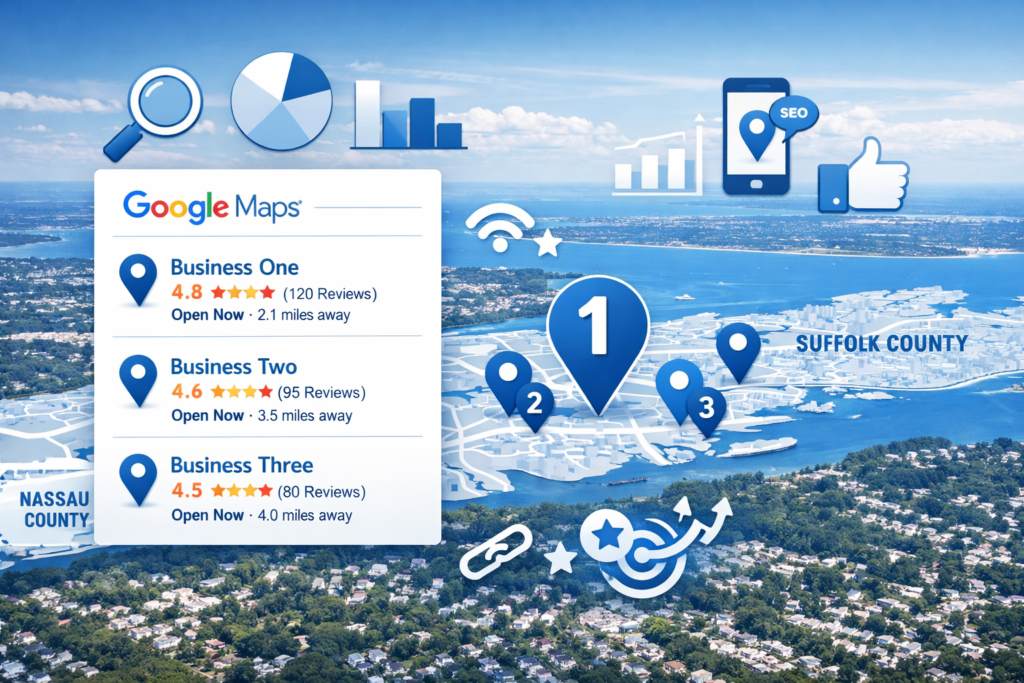
The agencies working with multi-location operators now treat Google Business Profile as the eighth platform on the content calendar, alongside TikTok, Instagram, and LinkedIn. Brands that compound their social feeds with consistent GBP activity may be better positioned for local visibility this year.
Google’s local algorithm treats a steady flow of social posts as a signal of an active business, while gaps in posting can make a listing appear less active.
Why It Matters
Local search has become the dominant discovery layer for service businesses and physical retail. According to BrightLocal’s Local Consumer Review Survey, 87% of consumers used Google to evaluate local businesses in the past year, up from 81% the year prior. Google has long reported that nearly half of all searches carry local intent. For a multi-location brand or an agency managing several SMB clients, that’s a substantial addressable audience sitting one well-run listing away.
The problem: most brands treat local SEO as a separate discipline owned by the SEO team. In 2026 that line has collapsed. The same content production system that ships your TikTok and Instagram calendar is what feeds review-request workflows, weekly GBP posts, and photo refreshes. Social ops and local ops are now one workflow, and the team already has the tooling.
How Does Google’s Local Algorithm Read Social Signals in 2026?
Google’s local algorithm runs two calculations simultaneously when someone searches “plumber near me” or “divorce attorney in your city.” First: which businesses are relevant and located in this area? Second: which of those businesses are the most trustworthy and authoritative? Relevance and proximity are table stakes, a verified Google Business Profile with accurate categories and services puts you in the candidate pool.
The trust calculation is where 2026 has shifted. As one agency operator put it, “Most business owners claim their GBP listing, fill in the basics, and consider it done. That’s not done, that’s started.” The signals Google now weighs include:
- Review velocity, how many new reviews per month, not lifetime total
- Review recency, the most recent reviews carry the most weight
- Engagement data, clicks, calls, and direction requests from your listing
- Photo freshness, recently uploaded photos beat a stale library
- GBP post cadence, listings without updates in 30+ days may show impression decay
- Entity consistency, name, address, and phone number matching across directories and social profiles
Every one of those signals lives in territory you already own. You’re already producing photos, captions, and scheduled updates. The only question is whether GBP is on the distribution list.
The Numbers
The signals worth knowing as you build the workflow:
- 87% of consumers use Google to evaluate local businesses (BrightLocal, 2024)
- 5-10 fresh photos per month is the recommended GBP cadence
- Listings inactive for 30+ days show measurable impression decay
- Reviews from the last 90 days outweigh reviews from prior years
- A business with 30 recent reviews can outrank a competitor with 50 stale ones
“We’d really appreciate it if you had a moment to leave us a Google review.”, the one-sentence template that consistently outperforms elaborate review requests in service-business workflows.
The lesson marketers know: use short, clear messages.
What Comes Next
The next layer is AI search. ChatGPT, Gemini, and Perplexity now use entity consistency across social and directory sources to decide which businesses they’re confident enough to recommend. A brand whose Instagram bio, Google Business Profile, Yelp listing, and LinkedIn company page all agree on the name, address, and service description may be meaningfully more likely to surface in an AI answer than one with mismatched entries.
That’s a structural shift. The “citation building” work that used to belong to local SEO agencies, auditing directory listings for consistency, is now feeding the same AI surfaces that drive zero-click discovery. Social profiles count as citations in this model. Your bio, link-in-bio destination, pinned post, and tagged location are all entity signals an LLM can read.
Expect Google’s local pack and Gemini’s local recommendations to converge further over the next 12 months. Brands building the cross-platform workflow now will compound the advantage as AI search share grows.
What This Means for You
If you’re managing social for a multi-location brand or an agency client, treat Google Business Profile as another platform in your scheduling tool. The mechanics are familiar (captions, photos, posts, response management), but the search payoff makes it one of the most useful channels on your calendar.
A practical starting workflow:
- Add GBP to your weekly cadence with one post per location, every week
- Repurpose photos already being shipped to Instagram and TikTok into GBP photo uploads, same asset, three placements
- Build a review-request automation that fires 24 hours after a completed service, with a direct GBP review link
- Audit name, address, and phone consistency across every social profile, directory, and your link-in-bio destination
A cross-platform scheduling tool makes this workflow scale, managing photo distribution, posting cadence, and multi-brand handoff across TikTok, Instagram, LinkedIn, and now your GBP listings. And before you invest the effort, a free BizScoreAI visibility scan shows how your Google Business Profile, reviews, and cross-platform listings currently read to search and AI, so you know which of these signals to fix first.
For deeper reading on related plays, see the breakdown of the shrinking local visibility radius and how E-E-A-T rewards real people over corporate content, both directly relevant if you’re trying to compound the trust signal beyond GBP alone.
The Bigger Picture
Local search isn’t a separate channel anymore, it’s the downstream effect of social activity done consistently. The brands that win the local pack in 2026 are the ones who treat Google Business Profile as the eighth platform: same content, same scheduling discipline, same review-response workflow. Silence reads as decay; consistency reads as trust. The work is unglamorous and predictable, which is exactly why most brands skip it, and exactly why doing it pays off.
FAQ
Does social media activity affect Google local search rankings?
Yes, indirectly but meaningfully. Google’s local algorithm reads Google Business Profile activity as a primary trust signal, and the photos, captions, posts, and review-response patterns that drive GBP performance are the same outputs you’re already producing for other platforms. Add in entity consistency across your Instagram, LinkedIn, and TikTok bios (matching name, address, and phone number with your GBP listing), and your cross-platform presence becomes a citation network Google reads when deciding which businesses to trust in the local pack.
How often should I post on Google Business Profile?
Once per week per location is the working baseline. GBP listings that go 30+ days without an update may show measurable impression decay, while listings posting weekly may stay in active rotation. The post itself doesn’t need to be elaborate, a short update about a promotion, seasonal service, new product, or recent project takes about 10 minutes. The bigger lift is cadence discipline, which is why most brands fold GBP into the same scheduling workflow they use for Instagram and TikTok.
What matters more for local rankings, review volume or review recency?
Recency wins in 2026. Google’s local algorithm is widely understood to weigh recent reviews heavily, with many practitioners pointing to the last 90 days as a key window compared to reviews from prior years. A business with 30 recent reviews may routinely outrank a competitor with 50 stale ones. This is why review velocity, how many new reviews you generate per month, matters more than lifetime total. Build a repeatable request workflow that fires 24 hours after a completed service, with a direct GBP review link. The one-sentence ask outperforms elaborate templates.
Related coverage
- How Consumers Search for Local Businesses in 2026: Mobile, Google, and the Role of AI
- Google’s Generative AI Search Guide Signals What Content Will Survive